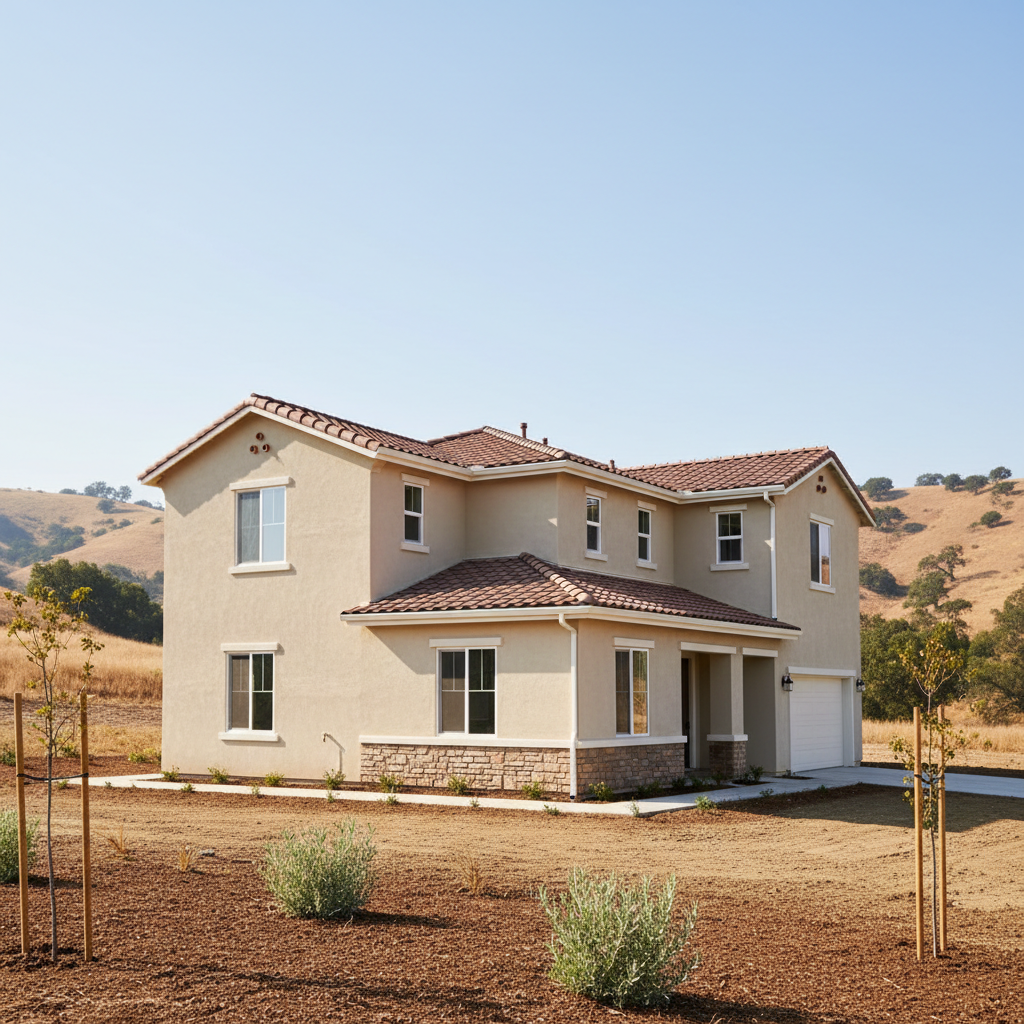
Alright, let's talk money. One of the first questions I get when someone calls Charis Stucco Co is, "How much does stucco cost?" It's a fair question, really, and honestly, there's no simple, one-size-fits-all answer. But I *can* give you some solid numbers and tell you what makes those prices go up or down, so you're not left completely in the dark.
What Makes Stucco Pricing Change?
A few big things really shift the cost of your stucco project. You should understand these before you even think about getting a quote.
- Type of Stucco System: Are we talking about traditional three-coat stucco, or a synthetic (EIFS) system? Traditional is usually a bit more labor-intensive, but people often prefer it for its durability and classic look. EIFS can offer better insulation, though it has its own installation quirks. Most homes around Chino Hills, especially the older ones up in spots like the Country Club, have traditional stucco.
- Project Scope: Are you re-stuccoing your entire house, or just patching a small section? A full re-stucco means stripping off old material, prepping the surface, and then applying new layers. A repair might just be a few square feet. Bigger jobs, naturally, cost more.
- Current Condition of the Wall: If your existing walls are a mess – rot, water damage, structural issues – we'll need to fix that before any new stucco goes on. That adds labor and material, and it adds to the bill. We don't just cover up problems; we fix them properly.
- Architectural Complexity: A flat, rectangular wall is way easier and faster to stucco than a house with lots of intricate details, arches, columns, or multiple pop-outs. Every corner, curve, and cutout takes more time and skill, which drives up the cost.
- Accessibility: Can we easily get ladders and scaffolding around your house? If we're working on a steep hillside property or dealing with tight spaces between homes, it takes more effort and specialized equipment to do the job safely and correctly.
- Material Quality and Finish: There are different grades of stucco materials, and the finish you pick matters too. A smooth, fine finish needs more careful application than a heavily textured dash or sand finish. Color choices can sometimes impact material cost as well, though usually not by much.
Typical Stucco Cost Ranges in Chino Hills
Okay, let's get down to some real numbers. Remember, these are averages, and your specific project could be higher or lower.
- Small Stucco Repair (e.g., a crack, small hole, up to 20 sq ft): You're probably looking at $500 - $1,500. This covers the contractor's trip charge, matching existing texture and color, and the labor for a small, focused repair.
- Medium Repair (e.g., water damage around a window, 20-100 sq ft): This could be anywhere from $1,500 to $4,000. It involves more material, potentially some wood repair underneath, and more blending work.
- Full Home Re-stucco (Traditional 3-coat system): This is the big one. For an average Chino Hills home (let's say, 2,000-3,000 sq ft of stucco surface area), you're typically looking at $10,000 to $30,000+. This includes all prep, lath, scratch, brown, and finish coats, and usually basic trim work around windows and doors. Some larger or more complex homes can easily push past $35,000.
- Stucco Patching and Blending (larger areas, 100-300 sq ft): If you've had a window replaced or a section of wall removed, this might run you $3,000 to $8,000, depending on complexity and how well we need to blend it into the existing finish.
These numbers, by the way, include labor, materials, and often things like permits if required for bigger jobs. For Chino Hills, we don't usually get extreme weather like heavy snow, but our intense summer sun and occasional strong Santa Ana winds can really dry out stucco, leading to cracks that need attention.
What Should a Stucco Quote Include?
When I give you a quote at Charis Stucco Co, I make sure it's clear. Here's what a good, complete quote should cover:
- Detailed Scope of Work: Exactly what areas will be stuccoed or repaired.
- Stucco System Type: Specify if it's traditional, synthetic, or a hybrid.
- Materials: Type of lath, scratch coat, brown coat, and finish coat. Also, any primers or sealers.
- Surface Preparation: What needs to be done before stucco application (e.g., cleaning, patching, moisture barrier installation).
- Finish Texture and Color: Clearly defined.
- Cleanup: What kind of site cleanup is included after the job.
- Warranty Information: What's covered and for how long.
- Payment Schedule: How and when payments are due.
- Permits: If a permit is needed, who is responsible for pulling it.
If a quote is just a single number with no breakdown, well, be wary. You want to know what you're actually paying for.
How to Avoid Overpaying for Stucco
Nobody wants to get ripped off. Here's my advice:
- Get Multiple Quotes: Don't just go with the first guy. Get at least three detailed quotes from reputable local contractors. This helps you compare apples to apples.
- Check References and Reviews: See what other Chino Hills homeowners say about them. Look for consistent quality and professionalism.
- Ask Questions: If something in the quote isn't clear, ask. A good contractor will take the time to explain everything.
- Don't Automatically Go for the Lowest Bid: The cheapest option isn't always the best. Sometimes a low bid means cut corners, inferior materials, or a lack of proper insurance. You'll pay for it later, believe me.
- Understand the Warranty: A good warranty offers reassurance. Make sure you know what it covers.
Ultimately, investing in quality stucco work protects your home and boosts its curb appeal. Do your homework, ask the right questions, and you'll get a fair price for a job done right.